Breast Cancer Treatment
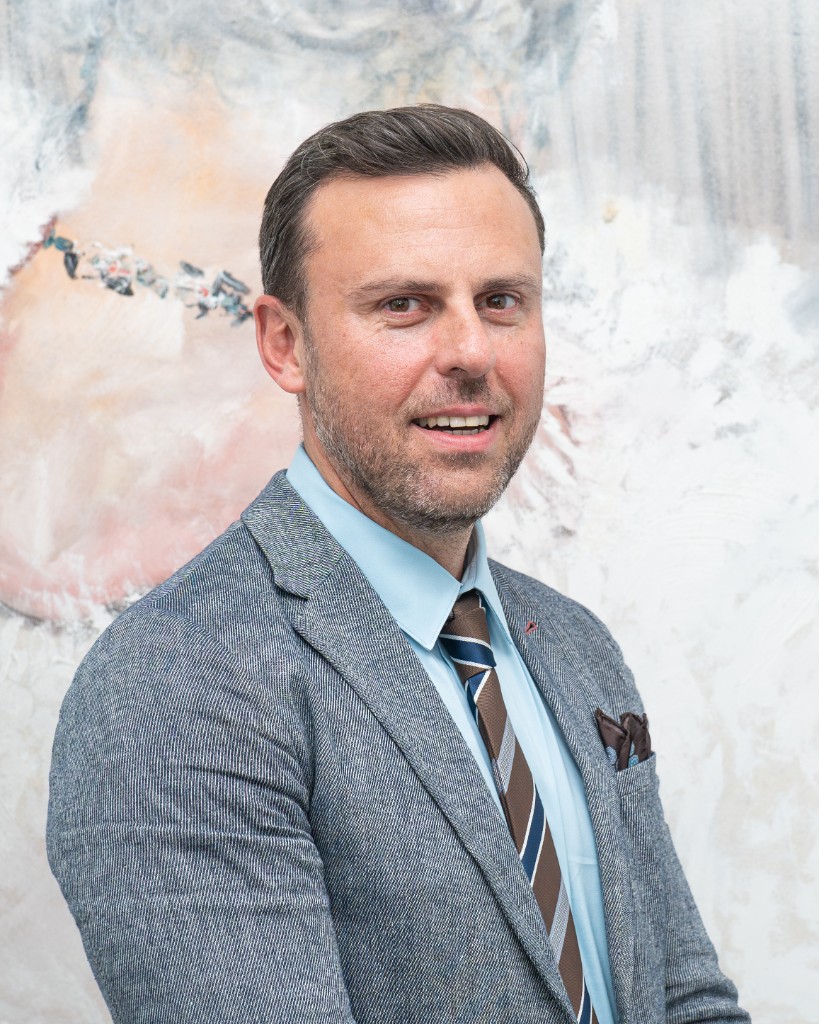
Mr Sarakbi’s approach to breast cancer treatment is centred on the multidisciplinary team and on full patient involvement in every decision. As an oncoplastic specialist, he integrates cancer removal with immediate reshaping — giving patients the best possible cosmetic outcome without compromising oncological safety. Every treatment plan is unique to the patient.
Mr Will Sarakbi — Consultant Oncoplastic Breast Surgeon View reconstruction results →Understanding your treatment options
Breast cancer treatment is highly individualised. The right approach depends on the type and stage of cancer, the size and location of the tumour, the size of the breast, your general health and your own wishes. Mr Sarakbi will discuss all options with you in detail and help you reach a decision you feel confident about.
As an oncoplastic breast surgeon, Mr Sarakbi's specialist training means he can combine effective cancer removal with excellent cosmetic results — minimising the impact of surgery on your appearance wherever possible.
Breast-Conserving Surgery
Wide local excision (also called lumpectomy or breast-conserving surgery) removes the tumour with a margin of surrounding normal tissue. Oncoplastic techniques allow a wider margin to be taken while reshaping the remaining tissue to maintain a natural appearance. This approach is followed by radiotherapy in most cases.
Mastectomy
Mastectomy removes the entire breast and is recommended in certain cases — for example, when the tumour is large relative to the breast size, when there are multiple tumours, or when the patient prefers it. Skin-sparing and nipple-sparing mastectomy techniques are available in appropriate cases, allowing the most natural reconstruction result.
Immediate breast reconstruction can often be performed at the same time as mastectomy — see Breast Reconstruction for more information.
Lymph Node Surgery
Sentinel lymph node biopsy is usually performed alongside the main surgery to check whether the cancer has spread to nearby lymph nodes. If the sentinel node is affected, further nodes may be removed (axillary clearance) in the same or a subsequent operation.
Additional Treatments
Surgery is often part of a broader treatment plan that may include radiotherapy, chemotherapy, hormone therapy or targeted biological therapy. Mr Sarakbi works closely with oncologists and the full multidisciplinary team to coordinate your care.
To discuss your treatment options with Mr Sarakbi, please book a consultation.
Book a Consultation"Every patient's treatment plan is unique. My aim is to achieve the best cancer outcome while preserving as much of your natural appearance as possible."
— Mr Will Sarakbi, FRCSFrequently asked questions
Oncoplastic breast surgery combines cancer removal with plastic surgical techniques to achieve the best possible cosmetic result. It allows a wider margin of tissue to be taken with the tumour while reshaping the remaining breast tissue to maintain a natural appearance.
Wide local excision (WLE) removes the cancer and a margin of surrounding tissue, preserving most of the breast. Mastectomy removes the entire breast. The appropriate option depends on the size and location of the tumour, your breast size, and your personal preferences.
Most patients who have breast-conserving surgery are recommended a course of radiotherapy to reduce the risk of local recurrence. Some patients who have mastectomy may also require radiotherapy. This is decided by the multidisciplinary team and will be discussed with you.
In many cases, yes. Immediate breast reconstruction is performed at the same time as mastectomy and is usually preferred where possible. Mr Sarakbi will discuss the suitability of immediate reconstruction with you based on your individual circumstances.
Understanding Breast Cancer Treatment
Mr Sarakbi explains what you need to know — in his own words.
Discuss your treatment options
Book a consultation with Mr Sarakbi at Cadogan Clinic, Chelsea or Shirley Oaks Hospital, Surrey.